Road safety, policing, legal and eye-care experts have called for stronger eyesight checks for drivers following a webinar examining the consequences of serious visual impairment behind the wheel.
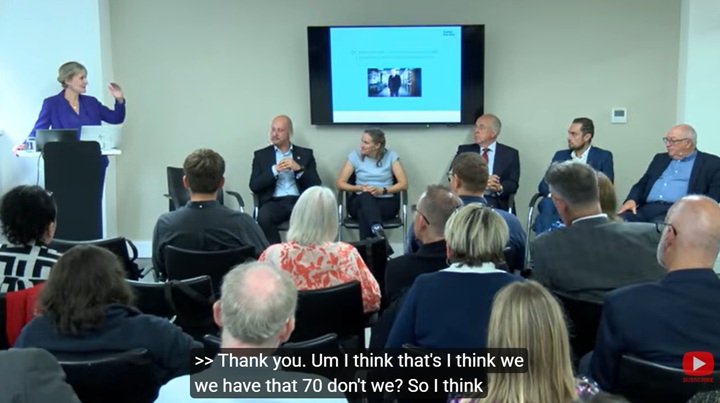
The webinar, ‘Driving blind: lessons from a preventable tragedy’, was convened by Slater + Gordon and Project EDWARD and chaired by Joy Allen, police and crime commissioner for Durham and roads policing lead for the Association of Police and Crime Commissioners.
The panel included representatives from policing, road safety, the legal profession and eye care.
It examined the case of Peter Westwell, 80, who was killed in Langho, Lancashire, in March 2022 after being struck by a vehicle.
The driver had previously been advised by medical professionals not to drive but continued to renew their licence through self-certification.
Following the collision, an eyesight test found that the driver could read a number plate from only around 2.5 metres, compared with the legal requirement of 20 metres.
The driver was subsequently convicted of causing death by dangerous driving and sentenced to 32 months in prison.
The webinar also heard how a Lancashire inquest examined four deaths involving drivers with serious eyesight problems. This resulted in a Prevention of Future Deaths report being issued to the Secretary of State for Transport.
Speakers raised concerns about the current reliance on drivers to self-report deteriorating eyesight, as well as limited mechanisms for health professionals to raise concerns about a person’s fitness to drive.
They also highlighted the potential under-recording of vision impairment as a contributory factor in road collisions.
The panel called for regular independent eyesight checks, improved information sharing where drivers do not meet the required visual standard, better collision data and practical support for people who need to stop driving.
The latter was highlighted as particularly important for people living in rural communities, where access to alternative transport can be limited.
Joy Allen said: “Clear vision is fundamental to recognising danger and responding safely.
“We now need to move from discussion to action. That means regular, independent eyesight checks; a licensing system that does not rely solely on drivers assessing themselves; and clear routes for optometrists, ophthalmologists, families and police to raise concerns when someone may no longer be safe to drive.”
She added that improving links between health, licensing and road safety was necessary to identify risks earlier and prevent collisions.
Steve Hardman, police relationship manager at Slater + Gordon, said further measures should be considered to ensure drivers continue to meet the requirements needed to drive safely.
“Currently, responsibility rests with the individual to assess their own fitness to drive,” he said.
“This creates a significant risk that those who may no longer meet the required standards could continue driving, potentially placing themselves, their passengers and other road users in danger.”
Hardman said his experience of supporting people and families affected by serious collisions had demonstrated the consequences when risks were not addressed.
The webinar concluded that addressing eyesight-related road safety risks requires collaboration between government, health services, licensing authorities, policing, road safety organisations and local communities.
Comment on this story