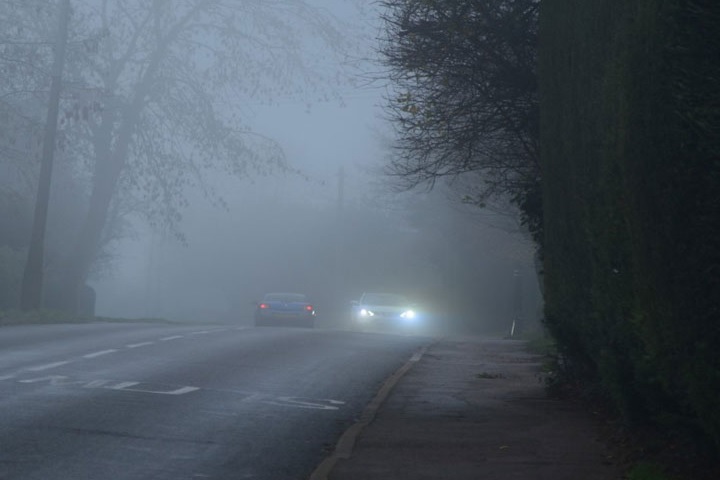
One-in-five drivers affected by headlight dazzle plan to drive less when the clocks go back, while some intend to stop driving at night altogether.
New research from the RAC has highlighted the road safety risks posed by headlight glare, with drivers reporting difficulties spotting hazards, reading road signs and judging the speed and distance of other vehicles.
With darker evenings approaching, 83% of drivers say they are concerned about the impact of glare, while 76% of those affected believe the problem is getting worse.
Half of drivers affected by dazzle (50%) say bright headlights make it harder to spot hazards, while 49% struggle to see road signs and markings. Almost half (47%) have difficulty judging the position of oncoming vehicles, and 43% struggle to assess other vehicles’ speed and distance.
More than a third (35%) report being temporarily blinded, while 14% say they have narrowly avoided a collision because of glare. Meanwhile, 63% struggle to see the flashing amber indicators of some oncoming vehicles.
Impact on mobility and independence
The effects are changing driving behaviour, with 21% of those affected planning to drive less after the clocks go back and 3% intending to stop driving at night altogether.
Among those who have already reduced or stopped night-time driving, 28% say they see friends less often, while 20% have less contact with family. A fifth (21%) report feeling more isolated, and 6% have cancelled or postponed medical appointments because of difficulties driving in darkness.
Headlight glare also affects other road users. More than half of respondents (57%) experience dazzle when walking or using a wheelchair, while 20% experience it when cycling after dark. Additionally, 77% of parents and carers are concerned about their children’s safety during the darker months because of dazzling headlights.
Calls for further research
An independent study commissioned by the UK Government confirmed a year ago that some brighter modern headlights are more likely to cause glare. Further UK research is expected to begin following a commitment in January’s Road Safety Strategy, alongside ongoing international work on vehicle lighting regulations.
The RAC says research should cover both existing and future vehicles. Its survey found that 73% of respondents support examining both, compared with 14% who believe research should focus solely on vehicles not yet available for sale.
RAC senior policy officer Rod Dennis said headlights designed to improve visibility for one driver could compromise safety for others.
He said effective forward lighting remained vital, but added that current regulations did not sufficiently consider the effects of very bright headlights on other road users.
“We badly need to establish the correct amount of light needed to give drivers the best view of the road ahead without dazzling those in oncoming vehicles,” he said.
Dr Paramdeep Bilkhu, clinical advisor at The College of Optometrists, said glare could temporarily affect vision, making it harder to spot hazards and judge distances safely.
He advised anyone experiencing new or worsening problems with glare to consult an optometrist for an assessment of their vision and eye health.
However, Dr Bilkhu stressed the need for wider action, calling for continued research and evidence-based solutions that balance effective road illumination with the safety of other road users.
Comment on this story