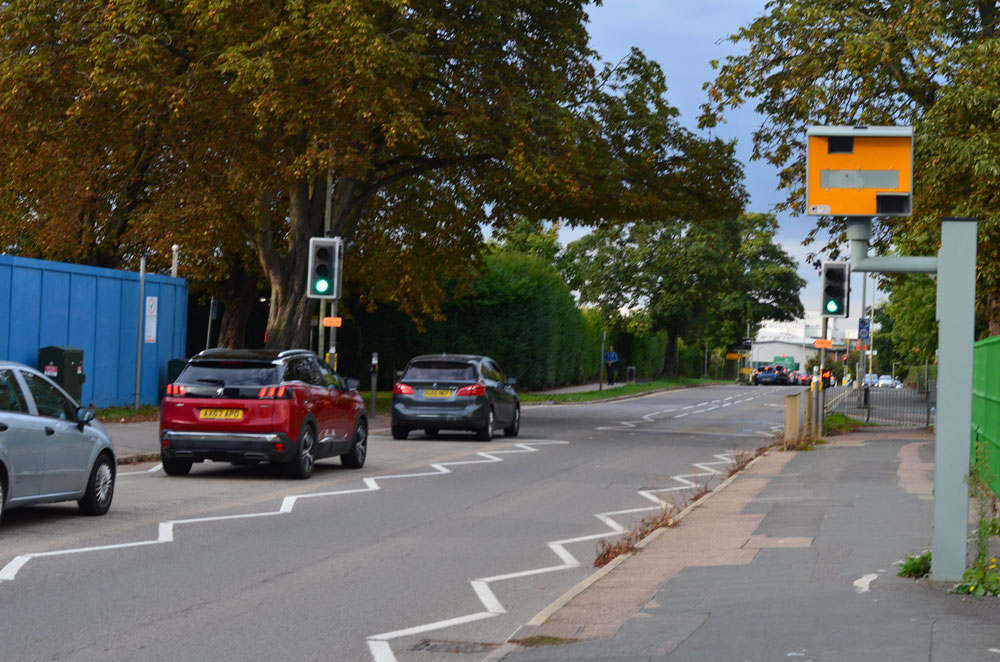
New analysis by the RAC has highlighted the scale of excessive speeding on lower-speed roads, with seven-in-10 UK police forces recording drivers travelling at more than twice the speed limit on 30mph roads during the past year.
Freedom of Information data from police forces across the UK uncovered a number of extreme cases, including a driver caught at 89mph in a 20mph limit in Deeside, north Wales, and another travelling at 114mph in a 30mph limit in Leicestershire, close to a primary school. Several other drivers were recorded at more than 60mph in 20mph zones and up to 111mph on 30mph roads.
Across 33 police force areas, more than 271,000 drivers were detected travelling at 40mph or above in 30mph limits. A further 32,500 drivers were caught exceeding 30mph in 20mph limits across 28 force areas.
The RAC said the findings reinforce the need to tackle the most dangerous speeding offenders. Official collision data for 2024 shows that speed was a contributory factor in 58% of fatal collisions, with exceeding the speed limit involved in one-in-five fatal crashes. In total, 185 people died in collisions where breaking the speed limit was identified as a factor.
The organisation has welcomed the Government’s new Road Safety Strategy and its casualty reduction targets but is calling for stronger action against persistent and excessive speeders. It is supporting the introduction of Intervening Intelligent Speed Assistance (IISA) as a judicial intervention for repeat or serious offenders. Unlike standard Intelligent Speed Assistance, which warns drivers when they exceed the limit, IISA actively limits vehicle speed and would be fitted as a condition of retaining or regaining a driving licence.
RAC senior policy officer Rod Dennis said the speeds recorded were “frankly chilling”, particularly where they occurred in residential areas and near schools. He urged the Government to place greater emphasis on tackling excessive speeding and repeat offending as it develops its Road Safety Strategy.
Rod Dennis said: “The fact that some were recorded in residential areas, even near schools, in daytime hours when others might well have been using the roads, underlines just how dangerous this kind of behaviour is.
“Such roads will almost certainly be well used by pedestrians and cyclists, so it doesn’t bear thinking about what travelling at such high speeds could have led to.”
National Police Chiefs’ Council roads policing lead Chief Constable Jo Shiner said the findings reflect a deeply embedded culture of speeding and stressed the need to reinforce that safe, lawful driving is a shared responsibility.
Stop Excessive Speeders campaign
The RAC is supporting the Stop Excessive Speeders campaign, which is calling for a pilot of Intervening Intelligent Speed Assistance (IISA) for the most serious and persistent speeding offenders. The campaign argues that while conventional Intelligent Speed Assistance alerts drivers when they exceed the speed limit, it can be overridden. By contrast, IISA limits throttle input to help prevent vehicles exceeding the speed limit, with only limited, monitored override capability.
The campaign proposes that IISA should be introduced as a court-ordered intervention for repeat or high-risk speeding offenders, funded by the offender as a condition of retaining or regaining their licence.
Supporters are also calling on the Government to establish a legislated pilot in Great Britain to evaluate the technology’s effectiveness in reducing repeat speeding and preventing deaths and serious injuries.
Comment on this story